Download our flyer here. Contact Reggie Fay at MB&G to learn more about how we can help!
Tabular and spatial data are critical drivers of timberland valuations, but often times they are overlooked. Mason, Bruce & Girard (MB&G) understands the importance and can help you in your next timberland property due diligence.
It is important to consider the inherent risks and unknowns with the management of tabular and spatial forest inventory data. There is risk estimating the standing inventory and projecting inventories forward through time. How many acres were cruised? What field measurement procedures were applied? What growth model was used? How are productive acres assessed and calculated? Is the spatial data updated annually?
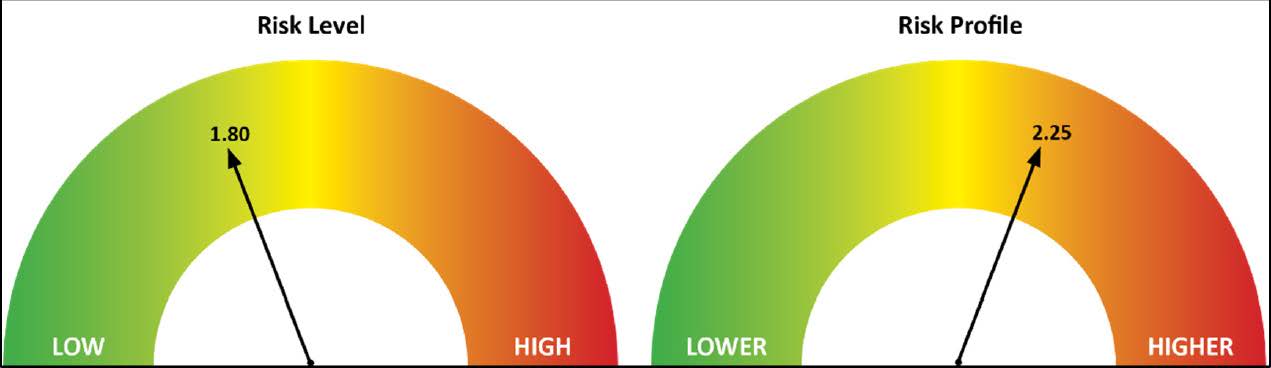
Easy to understand graphics can help you quickly digest the inventory and GIS risk assessment of the property as well as specific areas of interest.
MB&G has developed a qualitative and quantitative risk assessment to help you understand where problems may arise that could have financial impacts. We assess the complete forest inventory system, growth & yield models, and spatial data. We leverage our experience and provide our opinion of the system. We will let you know where the risk is and what, if any, improvements could be made.
MB&G’s assessment will provide you with quality data to make an informed decision.
Understand The Risk
Then an inventory and GIS risk assessment might be right for you!
MB&G is excited to be at the Society of American Foresters National Convention in Tacoma, WA this week.
READ MOREMB&G’s Emmaline Bryant will be playing in the Parker Memorial Golf Tournament on Friday. Since 2008, Warnell’s Young Alumni Committee has raised more than $600,000 for the school through the golf tournament with support from the family of J. Reid Parker. As a Platinum sponsor this year, MB&G is pleased to support the school’s goal of increasing opportunities for experiential learning.
READ MORE